What Is Trading and How Can You Start Trading Successfully
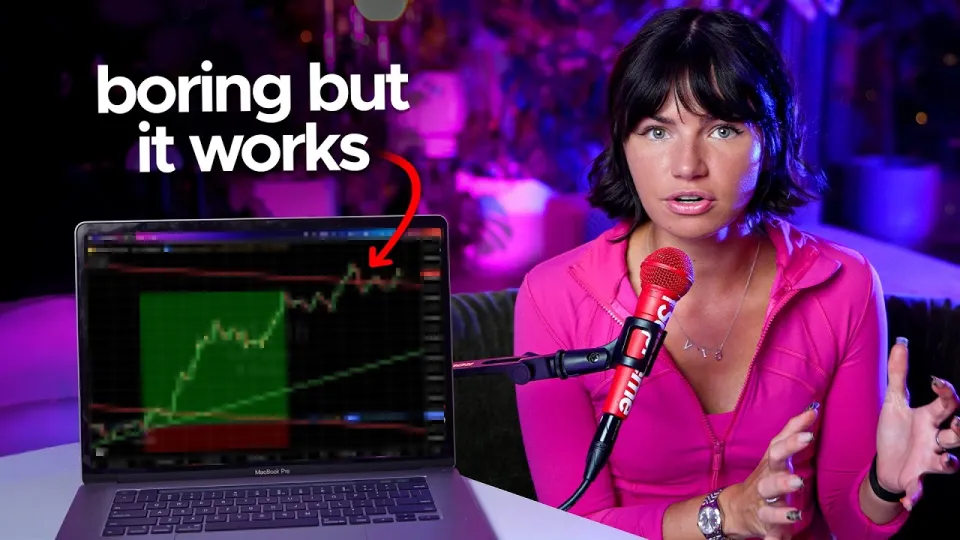
Video: Unfortunately, trading really is this simple
· based on the channel Tori Trades
Key takeaways
- Trading does not require an economics degree or advanced math skills.
- Trendlines are essential tools for identifying market direction.
- Futures trading involves contracts to buy or sell assets at a future date.
- Effective risk management and stop placement are critical for success.
- Practice on platforms like TradingView to test strategies before live trading.
Understanding What Trading Really Means
Trading is the act of buying and selling financial instruments such as stocks, futures, or forex to profit from price changes. Contrary to popular belief, trading does not require an economics degree, being a finance insider, or advanced math skills. The core of successful trading lies in simple, repeatable strategies and disciplined execution. For beginners or experienced traders, understanding foundational concepts like trendlines and market behavior is crucial to making informed decisions.
Key Trading Concepts and Tools
Trendlines are among the most important tools in trading, helping identify the market’s direction and potential reversal points. Drawing an upward or downward trendline involves connecting consecutive highs or lows on a price chart to observe the general trend. Traders use these lines to determine entry and exit points, placing stop-loss orders just beyond trendline bounces to manage risk effectively. Futures contracts are agreements to buy or sell an asset at a predetermined price on a specified future date, enabling traders to speculate on price movements without owning the underlying asset.
Step-by-Step Trading Strategy
- Identify the Trend: Use trendlines on your charting platform, such as TradingView, to spot clear upward or downward trends.
- Confirm Entry Point: Look for price action that respects the trendline, like a bounce off the line or a breakout.
- Set Stop Loss: Place your stop loss just beyond the trendline or recent swing low/high to limit losses.
- Manage the Trade: Monitor price movements carefully, especially in volatile markets like gold futures where rapid swings can occur.
- Exit the Trade: Close your position either when the trend reverses or when your profit target is reached.
This straightforward system is designed to be easy to understand and implement, making it accessible for traders at all skill levels.
Common Challenges and How to Address Them
Volatility is a significant challenge in trading, especially in futures markets such as gold, where prices can change dramatically within seconds. Managing this risk requires constant vigilance and quick decision-making to exit losing trades promptly. Another common question is about stop-loss placement; generally, stops should be set just beyond the trendline or recent price bounce points to avoid being stopped out prematurely. Additionally, some traders struggle to differentiate strategies in futures versus stocks due to differences in market behavior and algorithmic influences.
Frequently Asked Questions from Traders
Traders often ask about re-entering trades if a candle closes green and price moves up near the exit point. The answer depends on your specific rules, but re-entry can be considered if the trendline and price action confirm a new opportunity. Questions about stop-loss distance are common; a practical approach is to place stops slightly beyond the trendline, ensuring a balance between risk and avoiding false signals. Many want to know how futures trading differs from stock trading: futures offer leverage and different market dynamics, requiring tailored strategies. Finally, beginners wonder how to track trades effectively; platforms like TradeZella provide useful tools for monitoring and analyzing your performance.
Useful Links
- Join the Waitlist for trading resources and bonuses: https://go.toritradez.com/waitlist-1009
- Track your trades with TradeZella (use code TORI20 for a discount): https://www.tradezella.com/?via=victoria
- Broker used by Tori Trades: https://www.tradestation.com/promo/toritrades/
- Follow Tori Trades on Instagram: https://www.instagram.com/tori.trades.futures/
Conclusion
Trading can be simple if you focus on clear, practical strategies like trendlines and disciplined risk management. You don’t need advanced degrees or complex math to succeed in futures or other markets. The approach presented by Tori Trades emphasizes step-by-step systems that anyone can learn and apply. For those ready to deepen their trading knowledge and skills, joining communities and using proper tracking tools is essential. Consider signing up via the waitlist to access valuable resources and start trading confidently.
Source: Unfortunately, trading really is this simple · Markdown version
Questions & answers
Do I need advanced math skills or a finance degree to trade successfully?
No, trading can be successful with simple, repeatable strategies and disciplined execution without needing advanced math or formal finance education.
Where should I place my stop loss when trading with trendlines?
Stops are typically placed just beyond the trendline or recent swing points to protect against false breakouts while managing risk effectively.
How does futures trading differ from stock trading?
Futures trading involves contracts with leverage and different market dynamics compared to stocks, requiring specific strategies and risk management techniques.
What tools can help me track and analyze my trades?
Platforms like TradeZella offer trade tracking and analysis features that help traders monitor performance and improve their strategies.